

How Much Sleep Do Teenagers Need?
Why sleep matters for mood
Our bodies have a natural rhythm of releasing hormones throughout the day.
This keeps us in a roughly 24 hour pattern of sleep and wakefulness.
Sleep is when our brains rest and repair. During sleep we lay down memories and learning from the day. When brains are well rested, they are good at regulating emotions, keeping calm and thinking things through. These skills are lost without enough sleep and we become more emotionally volatile, irritable and less able to deal with stress.
If we lack sleep for one or two nights we are able to cope. In the longer term, our bodies will not be able to repair themselves and will be in a state of stress.
Neurotransmitters (the brain’s messengers) do not work as well and toxins in the brain do not get mopped up in the normal way. This leads to difficulties with attention, concentration and memory.
Why are teens vulnerable?
During puberty our circadian (daily) rhythm gets a bit longer and is closer to 25 hours rather than 24. So as the school week goes on, teens will get increasingly tired and less in sync with the school day. This leads to staying up later, sleeping longer and feeling sleep deprived in the mornings.
Teens have added pressures of screen time with friends, homework and hormonal factors affecting mood which can all contribute to ongoing lack of sleep. It is easy to see how this can become a vicious cycle.
Sleep can have such a profound impact on mood in teens that ongoing lack of sleep can mimic depression and worsen anxiety. If your teen is anxious or has low mood look at the tips below to help to improve their sleep.
How much is enough sleep?
Individuals need different amounts of sleep. If your teen gets up in the morning without too much fuss and is functioning well then they are likely to be getting enough sleep for them. If that is not the case you may want to look at it in more detail.
A rough guide is that younger (pre teen) children need 9-12 hours and teenagers need 8-10 hours.
A bit about Melatonin
Melatonin is made in the brain and plays a key role in circadian rhythm. It is produced when it goes dark outside. Melatonin gives our bodies a signal that it is time to wind down and start getting ready to sleep. It is why we all feel a bit more lethargic in the dark winter evenings.
Did you know…? People with neurodiversity can have difficulty with the way that melatonin is produced, released and how the body responds to it which can make falling asleep even more tricky.
How to support Melatonin for maximum zzz’s...
- Routine
Good bedtime and morning routes help with sleep. The key thing to focus on is getting up at roughly the same time each day.
- Boost your sleep drive
In order to fall asleep, our bodies need a ‘sleep drive’. The longer we are awake or go without refreshing sleep, the more our bodies will want to sleep. Boost your sleep drive by getting up at the same time in the morning, even if you still feel tired. This means that by the end of the day your body will be much more ready for sleep.
- Supplement for support
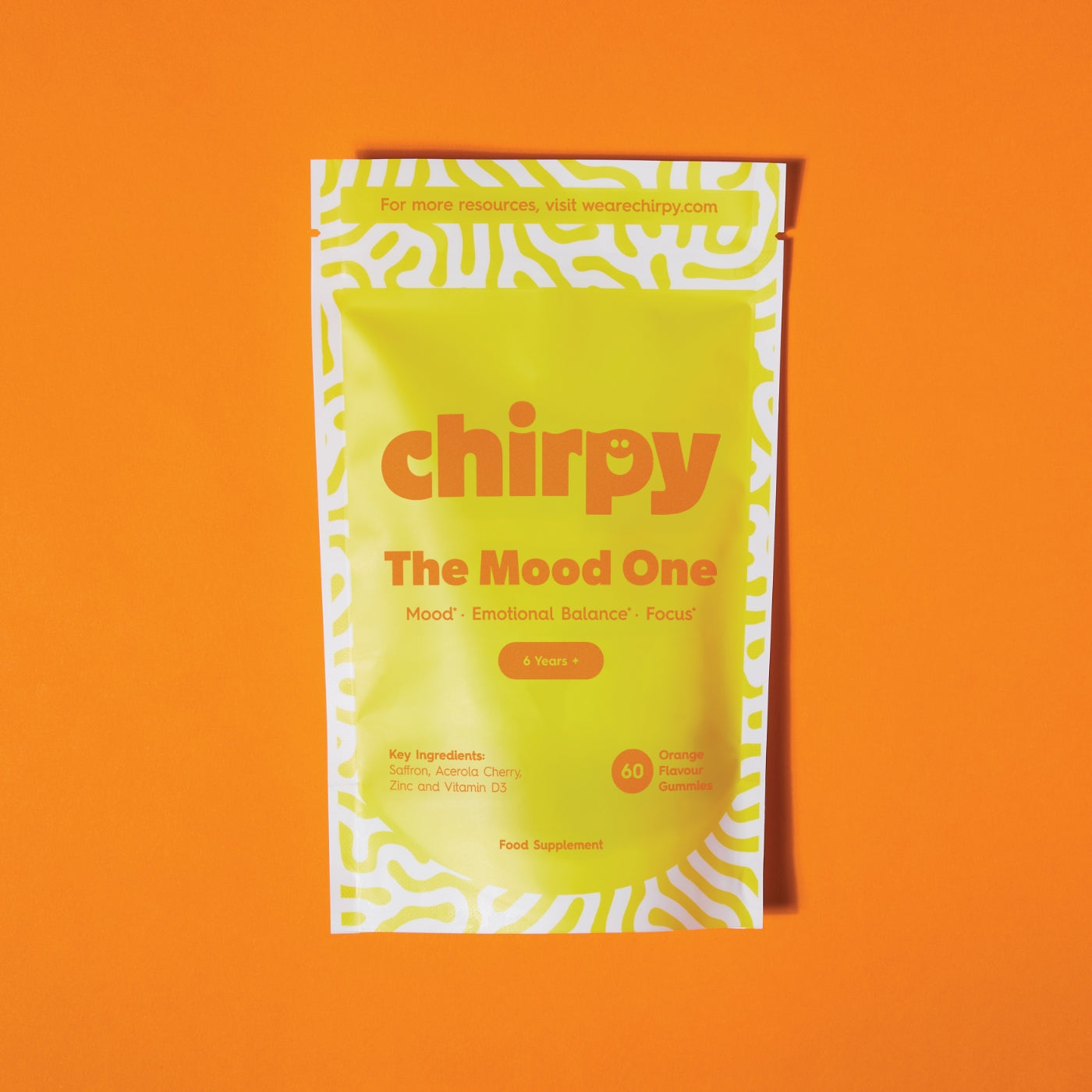
Chirpy’s The Zen One, is Lavender & Chamomile based & helps the body to rest & relax for a good nights sleep - and The Mood One contains Saffron which is also evidenced to help support good quality sleep (as well as Mood, Emotional Balance & Focus).
- Make day and night different
Our bodies need to know the difference between day and night to support the circadian rhythm. You can help with this by getting outside in the daylight as early in the day as possible. Wear different clothes, be in a different room and do different activities during the day and night.
- Ditch the screens
Screens shine blue light into our eyes which makes our brains think it is daytime. It is confusing for the brain if you look at screens right up until you want to go to sleep; it won’t be ready as no melatonin will have been made. Ditch the screens at least an hour before you want to go to bed. Replace them with music, books or audio books instead.
- Relax
Warm baths with Magnesium salts, Chirpy Joy Journalling & meditation can all help you relax in the evening and gives another signal that it is time to wind down.
- Ditch the caffeine
Caffeine and other stimulants found in tea, coffee & energy drinks are designed to wake us up. If sleep is an issue then avoid these. Ideally cut them out completely but definitely avoid them after 2pm.
When to worry…
- If you have followed the advice and your teen is still not getting enough sleep
- If mood or behaviour issues are severe or escalating
If you are worried you can find more support and advice on the Sleep charity website www.thesleepcharity.org.uk or speak with your GP.