
Why Breakfast Matters
Many of us are familiar with the old saying: Eat breakfast like a king, lunch like a prince, and dinner like a pauper. When it comes to children’s brain health, (especially for those with ADHD), the first part could not be truer.
To illustrate, let’s meet two children, Olivia and Oliver.
Olivia lives in Hammersmith with her mum, Pippa, a paediatric nurse at Chelsea and Westminster Hospital.
Pippa starts her shift at 8:00 a.m. and makes sure to get up in plenty of time so their mornings are organised and calm.
By 7 a.m, Olivia is dressed and sitting at the breakfast bar, ready to start her day.
Pippa serves two plates, each with a fluffy omelette and a few omega-3 breakfast bites, one of their favourite recipes from Smart Foods for ADHD and Brain Health, a now well-thumbed kitchen staple. Both Pippa and Olivia love them, and breakfast together has become their calm, nourishing ritual before the school run.
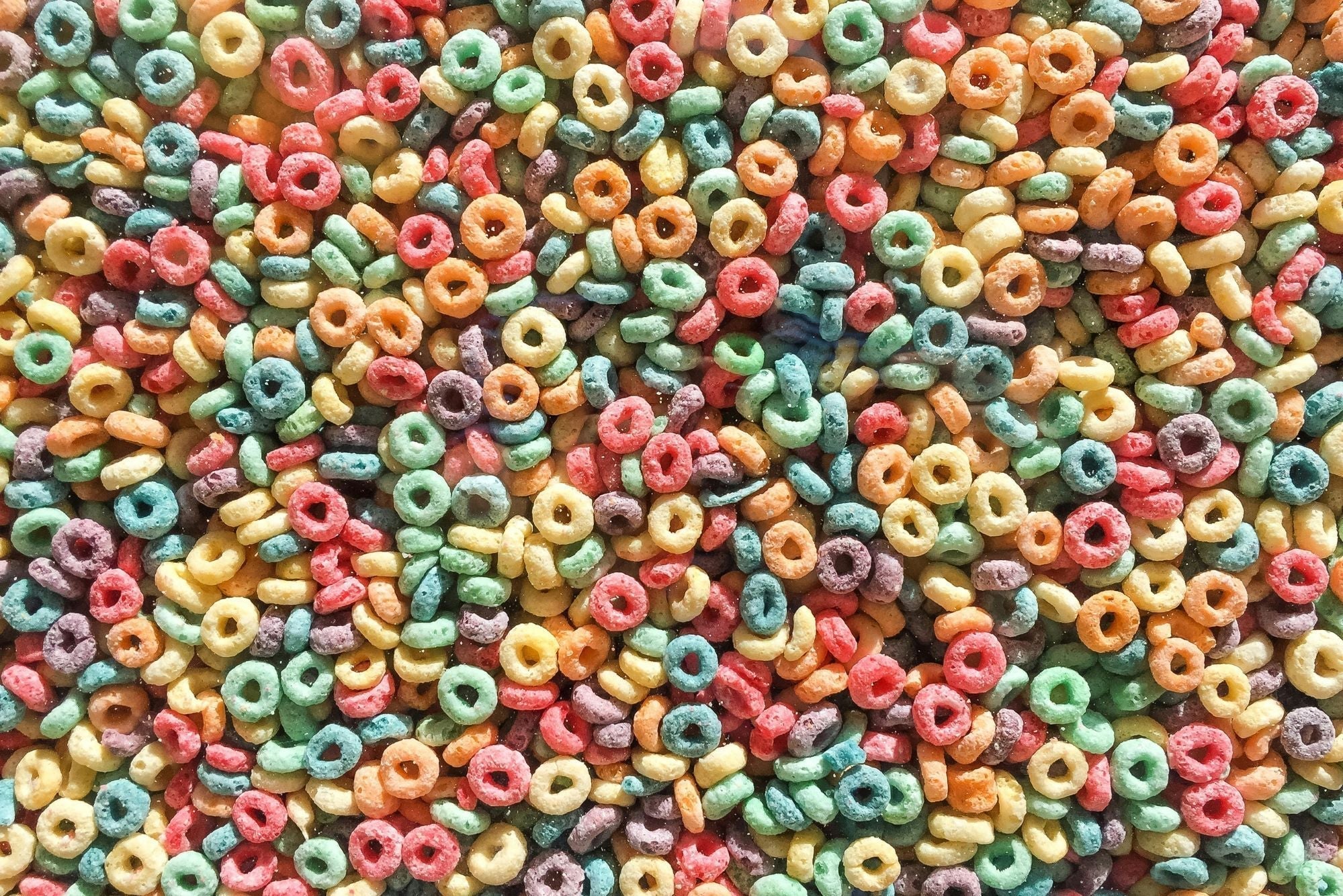
Meanwhile, across the city in Camden, Oliver is having a very different start. Mornings are often rushed, mum and dad are up and out early, so breakfast duties fall to him, which always means a bowl of Sugar Loops.
Half asleep, Oliver pours a heaped bowl and reads the label: wheat, glucose syrup, sugar, honey, caramelised sugar, molasses. The phrase “fortified with vitamins and minerals” reassures him it must be healthy.
He vaguely remembers a recent talk at school from a neuroscientist, Dr Rachel something, who mentioned how important it is to check ingredient lists. He makes a mental note to tell his mum later.
By 9:00 a.m., Olivia and Oliver are sitting in their respective Year 7 classrooms, having a recap on yesterday’s lesson about World War II. When the teacher asks, “So, why were children evacuated from London?” Olivia’s hand shoots up immediately, ready to deliver the correct answer.
Meanwhile, Oliver is fighting to stay awake, feeling sluggish, irritable, and tired. He hears his name being called and stares blankly. “Sorry, Miss Wilson. Could you please repeat the question?”
This small morning difference arguably paints a much bigger picture. Research consistently shows that children who eat breakfast perform better on memory, attention, and academic tests than those who skip it (1) Breakfast also supports mood regulation, classroom behaviour, and overall wellbeing (2).
The first breakfast cereal was invented in 1863 by James Caleb Jackson, originally designed as a digestive aid. Fast-forward to 2025, and supermarket shelves are overflowing with sugary, highly processed versions filled with glucose syrup, refined starches, and artificial additives. These cause rapid blood sugar spikes followed by crashes, leaving children fatigued, irritable, and unable to concentrate precisely when their brains need to switch on and focus.
Moreover, emerging findings from A Closer Look at Nutrition and Neurodivergence reveal that some children with ADHD have sensitivities to wheat, gluten, and cow’s milk, potentially further compounding focus and mood issues (3).
So, what should breakfast look like instead? Choose foods that stabilise blood sugar levels until lunch while nourishing the brain. Porridge oats, rich in beta-glucan fibre, release energy slowly and keep hunger at bay. Top with blueberries or ground flaxseed for an antioxidant and omega-3 boost. Omelettes or scrambled eggs on sourdough with mackerel, red onion, or spinach provide a powerhouse of nutrients including protein, choline, omega-3 fatty acids, B vitamins, and iron which are essential for focus, memory, and sustained energy.
If your child doesn’t consume at least 250 mg of omega-3 daily or struggles to eat five portions of fruit and vegetables, consider supplements to support their intake of essential vitamins, minerals, and fatty acids.
Breakfast really is brain fuel. It can set the tone for balanced blood sugars, better concentration, sharper focus, and a happier mood throughout the day. For more healthy and delicious recipe ideas, take a look at Smart Foods for ADHD and Brain Health by Dr Rachel Gow (4).