

7 things to do if your child has low mood
Mood naturally fluctuates in young people
It is normal for our moods to be a bit up and down.
Some people have more naturally stable moods than others, but however well life is going, it is just not possible to feel happy all the time.
For young minds, there are lots of added challenges which might make them feel sad at times, such as hormonal changes, dealing with school pressures, friendship issues and changes within the family.
The difference between low mood and depression
Low mood is usually short lived and you may be able to see some obvious triggers, such as falling out with a friend. You may find your young person is tearful, irritable or lacking in motivation at times, but in-between has periods of being their normal selves too.

It is more worrying if low mood lasts for more than 2 weeks and if the symptoms are more consistently present. It is also more concerning if the symptoms are impacting on the ability to get on with day to day activities.

You may find there is a loss of interest in activities they would usually enjoy or see changes in appetite or sleep patterns. They may tell you that they feel worthless, helpless or have thought about harming themselves. If this is the case then depression is more likely and help should be sought.
How parents can tell the difference
Low mood is a normal phenomenon. It is likely to be in response to a trigger and not to last longer than a few days. If school is a trigger, they may feel sad about school related activities but be more like their normal selves outside of school and still be able to do some of their normal activities at the weekends.
Depression is much more intense and affects all aspects of life, with fewer periods of normality.
When young people are depressed there are usually some physical symptoms such as sleeping a lot more or finding it difficult to sleep, eating more or less than usual and having less energy.
What to do if your child has low mood
1) Acknowledge their feelings—don’t expect them to ‘snap out of it’. Being a young person in today’s world can be very tricky, and it is ok to feel sad sometimes; everyone does.
2) Make yourself available—let them know you are around to talk.
3) Encourage them to meet up with friends.
4) Encourage them to write things down or draw if it is helpful.
5) Plan some activities they might like—a walk, trip to the coffee shop.
6) Think about lifestyle factors—eating healthy food, getting a good amount of sleep, and physical activity will always help to lift mood.
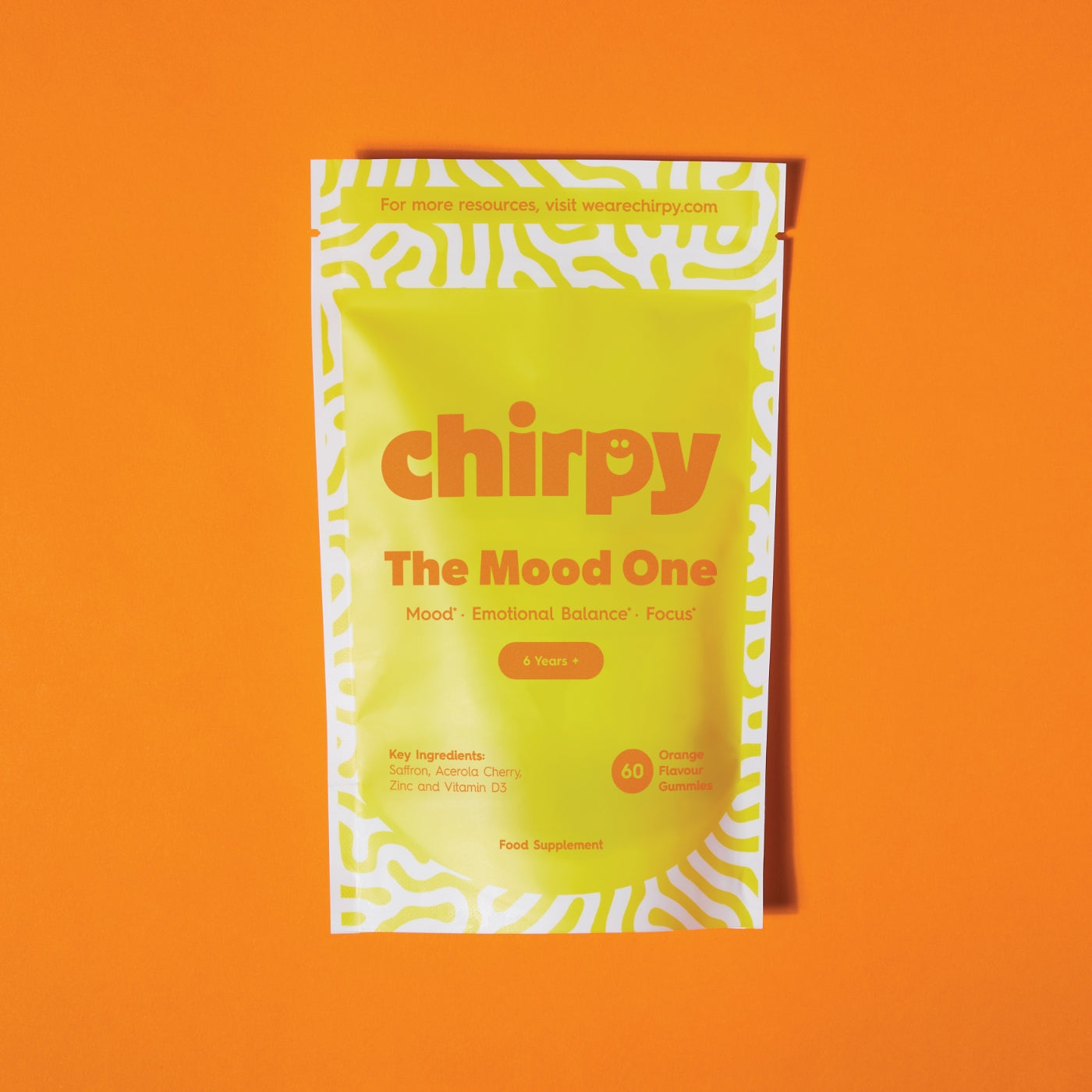
7) Try The Mood One, which can help support mood, focus & sleep in young minds
What to do if you suspect depression
1) Trust your gut instinct as a parent.
2) Contact school—they may have some pastoral support or counselling sessions available.
3) Supplement for support—The Mood One (coming soon) combines Saffron, zinc, vitamin D3 and vitamin C (from the acerola cherry fruit), natural antioxidants and anti-inflammatories that support good mood health and resilience to stress.
4) Contact your GP—If you are worried about your young person’s safety you can contact your local CAMHS (child and adolescent mental health service) team, who will have an emergency contact number.
Reassurance
Low and fluctuating moods are normal at all times of life but are particularly common in later childhood and teenage years.
Lifestyle factors play an important role in mood so pay attention to these.
Look out for any worrying features, most young people will bounce back again fairly quickly. If they don’t then seek help early.
Sources of Support
YoungMinds – Parents Helpline & Resources
Kooth - online mental health support for young people
Mind - support with mental health and wellbeing