

Darker days, lower moods? The mood science behind the winter slump in kids & teens
If your child or teen seems flatter, crankier or more worried lately, you’re not imagining it. Research shows young people’s mental wellbeing follows a seasonal rhythm, and the stretch from October to February is consistently the toughest. The clocks go back, evenings turn dark by tea time, the school term gets into full swing, and the long run to spring begins.
The good news? Once you understand the mood science, there’s plenty you can do to help.
What the darker months do to brain health
Less light, later body clocks, less movement and a heavy school term all land at once. Each one impacts brain chemistry.
Melatonin & serotonin fall out of sync
Morning light tells the brain’s master clock that the day has started. It switches off melatonin, the sleep hormone, and supports serotonin, a key mood chemical. But as Winter sets in, sunrise gets later, while the school alarm doesn’t. Many children are getting up in the dark before that light signal has arrived, so melatonin lingers into the morning. Children feel sluggish and flat, and serotonin activity tends to dip.
Evenings work the other way round. Darkness tells the brain it’s time to wind down, but on dark winter evenings children spend more time indoors under bright lights and on screens. That artificial light holds back melatonin and nudges the body clock later, just when it should be settling. For older kids, fast, rewarding content keeps the brain switched on too.
Vitamin D plays a part too. From October to March, UK sunlight isn’t strong enough for skin to make all the vitamin D we need. Vitamin D receptors are found in parts of the brain involved in mood, and although researchers are still exploring how the two are linked, there is evidence to suggest lower levels increase the risk of depression [1]. NHS advice is that everyone, including children, should consider a daily vitamin D supplement through autumn and winter.
The body clock shifts & sleep debt builds
Sleep is when the brain rests and repairs, laying down memories and learning from the day. A well-rested brain is better at regulating emotions, staying calm and thinking things through.
During puberty especially the circadian rhythm naturally shifts later, so teens don’t feel sleepy until later at night. Morning light helps pull the clock earlier, so as winter mornings darken it can drift later still. School start times don’t move, though. The result is sleep debt.
Without enough sleep young people become more irritable and emotional, and less able to cope with stress. One or two bad nights are manageable. Over time, though, the stress system stays more switched on,neurotransmitters (the brain’s messengers) don’t work as well, and toxins in the brain are cleared less effectively. Attention, concentration and memory all suffer.
Endorphins & BDNF dip with less movement
Moving releases feel-good chemicals like endorphins, dopamine and serotonin. It also boosts BDNF, the brain’s fertiliser, which helps young minds learn, focus and bounce back from stress. Being active in the day builds sleep drive too, so bodies are readier for bed at night.
But movement falls away in winter. A Cambridge study of 700+ UK children wearing activity trackers found daily activity peaked in April and dropped through autumn and winter [2].
Cortisol stays switched on
Cortisol is our natural “wake-up” hormone, rising in the early hours to get us going, and also our stress hormone. The autumn term is the longest of the year, and older kids face mocks and coursework deadlines through winter. Ongoing pressure keeps the stress system switched on and cortisol, the stress hormone, raised.
For neurodivergent children, managing sensory input and masking all day uses a lot of energy, which leaves less in the tank. That’s often when after-school meltdowns or shutdowns appear.
Clock change quick wins
- Get daylight first thing: open the curtains straight away and walk or scoot to school if you can.
- Keep wake-up time steady, weekends included.
- Dim the lights and screens in the hour before bed.
- For little ones, move bedtime and meals 10–15 minutes at a time over a few days instead of all at once.
How to support young minds through darker days
You can’t change the season, but you can work with the biology. That’s where a Mood MOT comes in.
It’s a quick, free habit check that shows where your child’s routines are working and where a few small tweaks could help. It comes with our free Mood M.E.N.D.S guide (Mindfulness, Exercise, Nature, Diet, Sleep): brain-healthy habits to keep moods purring through the darker months.

Take The Mood MOT
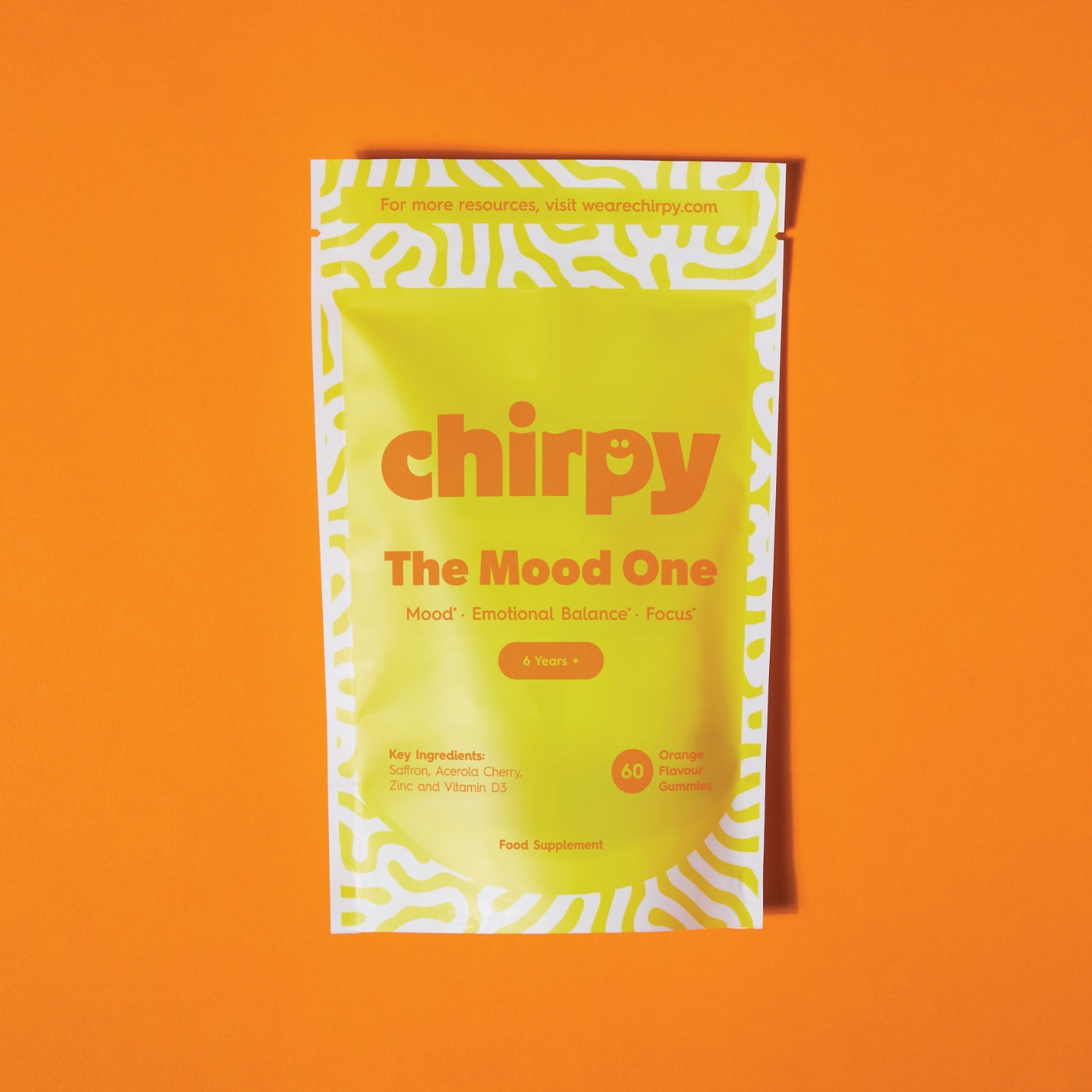
Help Support Moods With The Mood MOT Bundle
Save up to 24% on The Mood and The Zen One when purchased together