
The September Spike - How to help your child through.
Over the Summer, children’s emotional systems may start to shift into a slower rhythm. Summer holidays tend to have less structure, demands are lighter, and there is more room for rest. As September approaches, many children find themselves needing to rebuild the emotional stamina required for school. This is the ability to manage stress, adapt to change, and stay steady Every September, there is a pattern: children who were settled in August suddenly become more emotional, more tired, more reactive or more overwhelmed. Moods can wobble and tears appear out of nowhere. Sleep patterns can change. Small challenges feel bigger. Even physical symptoms such as tummy aches, headaches and fatigue seem to show up more often.
This rise in stress and dysregulation is known as The September Spike. It’s not a sign that something is “wrong” with your child. It is a normal response to a big transition.
Understanding it can make the first month of term much smoother for everyone. to learn and connect.
Emotional stamina isn’t about being “tough” or unfazed. It’s about having a nervous system that can rise to meet challenges and then settle again. The good news is that this capacity can be strengthened through small, daily habits that gently support regulation.
Here are five simple practices that help children feel more prepared for the transition back to school.
Why does September feels so intense?...
A sudden shift in routine
Summer is calmer. Days are slower, demands are lighter, and children have more control over their time. That changes overnight in September. Early mornings return, school days are long and tiring and there are a lot of demands. For both neurotypical & neurodiverse children, this shift puts pressure on the nervous system.
Cognitive load increases
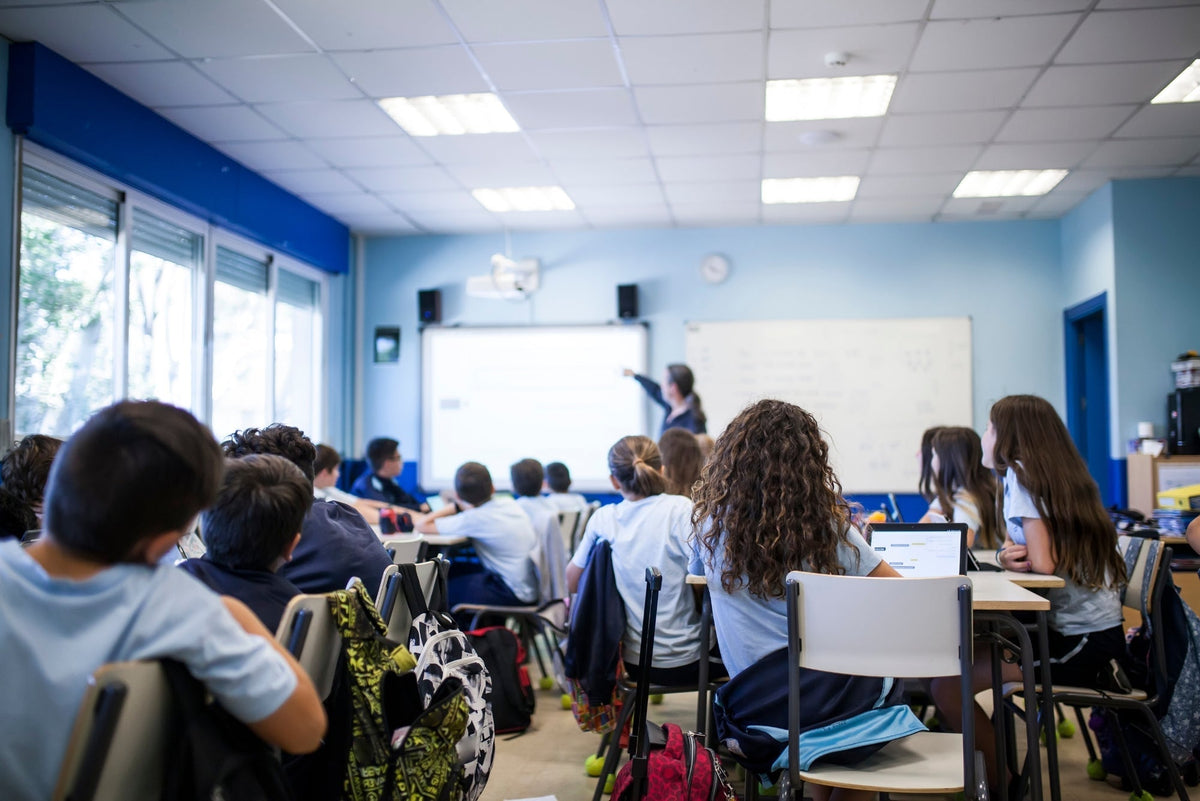
School requires constant thinking: listening, remembering instructions, switching tasks, managing friendships, coping with noise, and staying organised. This “cognitive load” is huge in the first month, when everything is new and routines aren’t yet automatic.
Social energy drains faster
Children go from seeing a handful of people over summer to being surrounded by classmates, teachers and busy corridors. Even confident, sociable children can feel tired or overwhelmed by the sheer amount of interaction.
Fatigue builds quietly
The first few weeks of term are exhausting. Children often hold everything together during the school day, then release their feelings at home. This is known as “after-school restraint collapse”. This is normal, but it can feel intense.
For neurodivergent children, the load is even heavier
Children with neurodivergence often experience:
- higher sensory load
- more difficulty with transitions• greater fatigue from masking
- increased anxiety around unpredictability
This means their September Spike may be sharper or last longer because their nervous system is working harder.
Common September Spike symptoms you might notice:
- irritability or emotional outbursts
- clinginess or separation anxiety
- tummy aches or headaches
- difficulty sleeping
- increased sensitivity to noise or touch
- after-school meltdowns or shutdowns
- worries about friendships or teachers
- reluctance to go to school
These are all signs of a nervous system under pressure.
How parents can help...
Protect rest
Children need more sleep in September than at any other time of year. Earlier bedtimes, quiet afternoons and gentle weekends help their nervous system recover.
Keep home routines predictable
A simple after-school rhythm such as: snack, rest, play, homework, dinner. This helps children feel safe and reduces overwhelm.
Expect (and normalise) after-school emotions
A calm, steady response works wonders: “It looks like your body had a big day. Let’s slow things down.”
Reduce sensory load where possible
Lower noise, dim lights, allow headphones or fidget tools. This helps both neurotypical and neurodivergent children settle.
Build in movement
Movement resets the nervous system. A run around the garden, a walk home from school, star jumps or a quick dance break can release tension.
Keep mornings calm
Rushed mornings shrink the window of tolerance before the day has even begun. Allowing plenty of time in the morning will help. With a predictable routine, children start the day steady.
Stay connected
A few minutes of warm, undistracted connection each day: a chat, a cuddle, shared humour. This strengthens emotional resilience.
Good News
The September Spike doesn’t last forever. As routines settle, friendships strengthen and
children adapt to the rhythm of school, symptoms usually ease. Most families notice things improving by late September or early October.
Understanding the September Spike helps parents respond with empathy rather than worry and gives children the support they need to navigate one of the biggest transitions of the year with confidence and steadiness.

Chirpy’s pharmacist-formulated gummies can help support with mood, emotional balance, focus, rest and relaxation.
We give parents the tools to build strong mental health foundations in young minds—helping you, help them.